Cumbia Festivals and Events 2026: Complete Guide to Worldwide Events
Cumbia isn’t something you just listen to. You live it. And there’s no better way to feel the collective power of this music than at the festivals and events that pull millions of people together every year across Latin America and beyond. From the continent’s largest carnivals to intimate festivals in the small towns where cumbia was born, this guide covers the essential events of 2026. Pack comfortable shoes. You’re going to need them.
Carnaval de Barranquilla - Colombia
The biggest cumbia festival in the world
Dates: February through March 2026 (four days before Ash Wednesday) Location: Barranquilla, Atlántico, Colombia
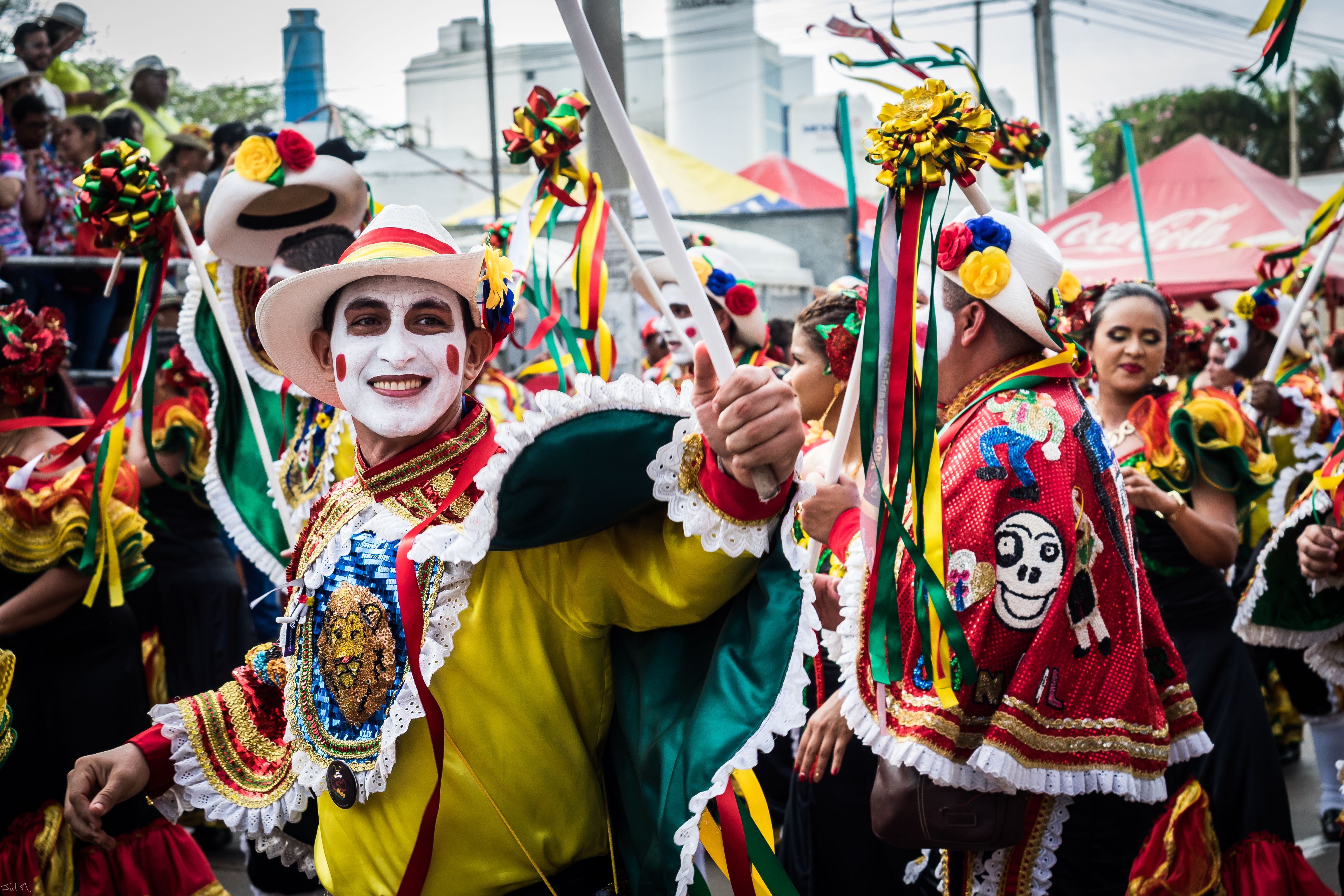
The Carnaval de Barranquilla is a UNESCO Masterpiece of the Oral and Intangible Heritage of Humanity. It’s the second-largest carnival on earth after Rio de Janeiro, and for cumbia lovers, this is the one. The city where cumbia was consolidated as popular music transforms for four days into a total celebration of Caribbean Colombian rhythms.
The Batalla de Flores, the Gran Parada de Tradición, and the Gran Parada de Comparsas are the main parades. Hundreds of cumbia groups, drummers, and gaita players march through the streets. Popular stages showcase the great Colombian tropical orchestras. Neighborhoods fill with outdoor parties where cumbia plays until dawn. You don’t watch this carnival. You’re inside it.
For cumbia, this is the cultural epicenter where the genre meets its roots. New generations of musicians learn the tradition here, passing rhythms from hand to hand, ear to ear. If you attend one cumbia event in your life, make it this one.
Festival Nacional de la Cumbia in El Banco - Colombia
The homage to the origin
Dates: March 2026 (the week closest to March 19, the feast of Saint Joseph) Location: El Banco, Magdalena, Colombia
The Festival de la Cumbia in El Banco might be the most historically significant event for the genre. El Banco, Magdalena, is considered by many researchers to be the birthplace of cumbia itself, the place where African, Indigenous, and Spanish traditions fused to create the rhythm we know today.
The festival includes competitions of traditional cumbia groups, gaita and drum performances, pilonera parades, and the coronation of the Queen of Cumbia. Unlike commercial events, cumbia here is preserved in its purest form. Drums, gaitas, flauta de millo. Many performances happen without electronic amplification at all. You hear the instruments the way people heard them a hundred years ago. This is the guardian of tradition, where cumbia is celebrated in its original ancestral form.
Cumbia Fest CDMX - Mexico
Urban cumbia in the capital
Dates: Spring 2026 Location: Mexico City, Mexico
Mexico City has become one of the world’s true epicenters for cumbia. The scene spans from cumbia sonidera in working-class barrios to the most forward-thinking digital cumbia proposals. Events here attract thousands and feature lineups mixing legends like Los Ángeles Azules with fresh acts from the independent underground.
The sonideros are a massive part of it. These street sound systems are built into the DNA of Mexican cumbia culture. They turn events into full sensory experiences with massive speaker towers, colored lights, and the unmatched energy of CDMX crowds. If you want to understand what cumbia means to Mexico in 2026, this is where you go.
Festival Internacional de la Cumbia - Monterrey, Mexico
Where the north meets the rhythm
Dates: Summer 2026 Location: Monterrey, Nuevo León, Mexico
Monterrey, the industrial capital of northern Mexico, has a deep connection to cumbia going back decades. Colombian music arrived in northern Mexico in the 1960s and 70s, morphed into cumbia norteña, and later gave birth to cumbia rebajada. The city’s relationship with this music is personal and generational.
The Festival Internacional de la Cumbia in Monterrey celebrates that history with a lineup bringing together classic Colombian groups, cumbia sonidera from Mexico City, local cumbia norteña, and new fusion proposals. It’s a meeting point between different cumbia traditions from Mexico and Colombia, a continental conversation happening on a single stage.
Lollapalooza Argentina - Buenos Aires
Cumbia at the mainstream festival
Dates: March 2026 Location: Hipódromo de San Isidro, Buenos Aires, Argentina
Lollapalooza Argentina has been booking more cumbia acts each year, and that reflects something real about the genre’s place in Argentine culture. In recent editions, artists like La Delio Valdez, L-Gante, and other cumbia representatives have played major stages at the festival.
This matters. Cumbia showing up at Lollapalooza marks its acceptance in a space that traditionally belonged to rock, pop, and electronic music. For thousands of young Argentines, the festival is a gateway to cumbia in a context completely different from the traditional bailanta dance halls. It validates Argentine cumbia in the mainstream festival circuit and exposes the music to audiences who might never have walked into a cumbia show on their own.
Vive Latino - Mexico City
Cumbia at Latin America’s biggest festival
Dates: March 2026 Location: Foro Sol, Mexico City
Vive Latino is Mexico’s most important music festival and one of the largest in Latin America. Over recent years it has given increasingly prominent space to cumbia in its lineups. Los Ángeles Azules, Bomba Estéreo, and Chico Trujillo have all been headliners or major acts.
The fact that cumbia shares billing with rock, hip-hop, electronic, and pop reflects the reality of Latin music today. Cumbia isn’t a niche genre tucked away in a side tent. It’s a central part of the continent’s soundscape, and Vive Latino treats it that way.
Festival Sonidero - Puebla, Mexico
The cathedral of sonidero culture
Dates: Various events throughout the year Location: Puebla, Mexico
Puebla is the sonidero capital of Mexico, full stop. The city’s sonideros have a tradition stretching back to the 1960s, and sonidero events here are true community celebrations drawing thousands of people to plazas and open spaces.
The Festival Sonidero gathers the country’s best sonideros, massive sound systems with DJs mixing cumbia sonidera, rebajada, and colombiana, in events celebrating Mexican popular culture at its fullest expression. The speaker towers reach toward the sky. Strobe lights flash. The DJ shouts dedications to the crowd. It’s an essential experience if you want to understand what cumbia means at street level in Mexico.
Feria de Cali - Colombia
Where salsa and cumbia meet
Dates: December 2025 through January 2026 Location: Cali, Valle del Cauca, Colombia
The Feria de Cali is internationally known as the salsa capital’s celebration, but cumbia holds an important place in the festivities. The orchestras performing at super-concerts and popular outdoor parties include cumbia in their sets, and the rhythms of Colombia’s Pacific and Caribbean coasts coexist throughout the programming.
Parades, cavalcades, and massive free concerts fill the calendar. Cumbia is woven through the soundscape. For the people of Cali, cumbia and salsa aren’t competing genres. They’re rhythmic siblings that have always coexisted naturally. The Feria demonstrates that coexistence in the most joyful way possible.
Festival de Música del Pacífico Petronio Álvarez - Cali
Afro-Pacific rhythms of Colombia
Dates: August 2026 Location: Cali, Valle del Cauca, Colombia
The Festival Petronio Álvarez is the most important event for Colombia’s Pacific coast music, celebrating the musical traditions of Afro-descendant communities from the Pacific coastline. Its primary focus is currulao, bunde, and other Pacific rhythms, but the connection to cumbia runs deep. Both traditions share African roots and have influenced each other over centuries.
The festival includes categories for Caucano violins, chirimía, marimba, and free ensemble. Artists explore the connections between Pacific rhythms and Caribbean cumbia. It’s an essential event for anyone wanting to understand the Afro-Colombian rhythmic diversity of which cumbia is one piece. You leave with a broader sense of what Colombian music really contains.
Carnaval de Negros y Blancos - Pasto, Colombia
The festival of the Andean south
Dates: January 2026 (January 2-7) Location: Pasto, Nariño, Colombia
The Carnaval de Negros y Blancos in Pasto was declared Intangible Cultural Heritage of Humanity by UNESCO in 2009. It’s a unique celebration fusing Andean, rural, and Afro-descendant traditions. Pasto sits in the Andean region of southern Colombia, far from the Caribbean coast, yet cumbia shows up in the comparsas and parades that fill the city streets.
Six days of monumental floats, dancing comparsas, and murgas parading through the streets. Music of all kinds energizes the hundreds of thousands of attendees, and cumbia is right there alongside Andean and Pacific rhythms. It shows how cumbia has penetrated every region of Colombia, even places geographically distant from its Caribbean birthplace.
Tips for Attending Cumbia Festivals
Plan your cumbia journey
Book in advance. The largest events like the Carnaval de Barranquilla fill hotels months ahead of time. Wear comfortable shoes because cumbia is danced, and these festivals mean hours on your feet and moving. Stay hydrated since many events take place in hot tropical climates. Respect local culture because these festivals are deep cultural expressions, not tourist entertainment. Support local by buying crafts, eating at local restaurants, and hiring community guides.
Cumbia is best experienced in community. These festivals are proof that a musical genre can simultaneously be art, celebration, cultural resistance, and human connection. See you on the dance floor.
Discover authentic cumbia music through our curated radio stations and explore the rich cultural heritage of this beloved Latin American genre.