Best Cumbia Albums of All Time
The definitive ranked list of the greatest cumbia albums ever recorded — from golden-era Colombian classics and psychedelic Peruvian chicha to modern Mexican sonidera and Argentine cumbia villera. Ratings, reviews, and verified links to buy on CD or vinyl.
Browse Albums by Genre
16 distinct cumbia styles — each with its own story, geography, and essential albums. Click any genre to explore.
16 albums
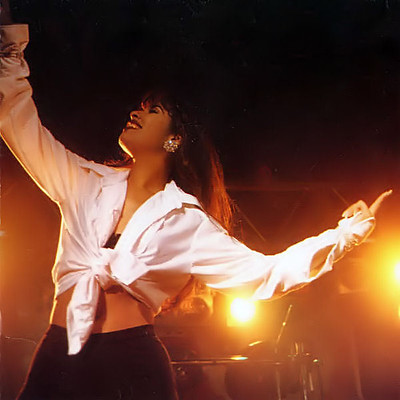 #1 CD
#1 CD Selena
Amor Prohibido
 #2 CD
#2 CD Celso Piña
Cumbia Sobre el Río
 #3 Vinyl
 Los Mirlos
Corazón Amazónico
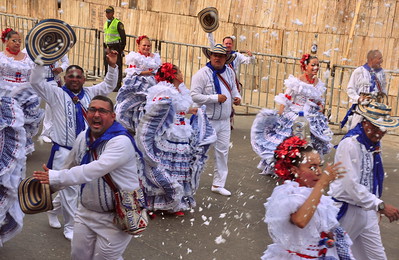 #4 CD
#4 CD Los Ángeles Azules
Cómo Te Voy a Olvidar
 #5 Vinyl
 Los Gaiteros de San Jacinto
Gaita y Tambora
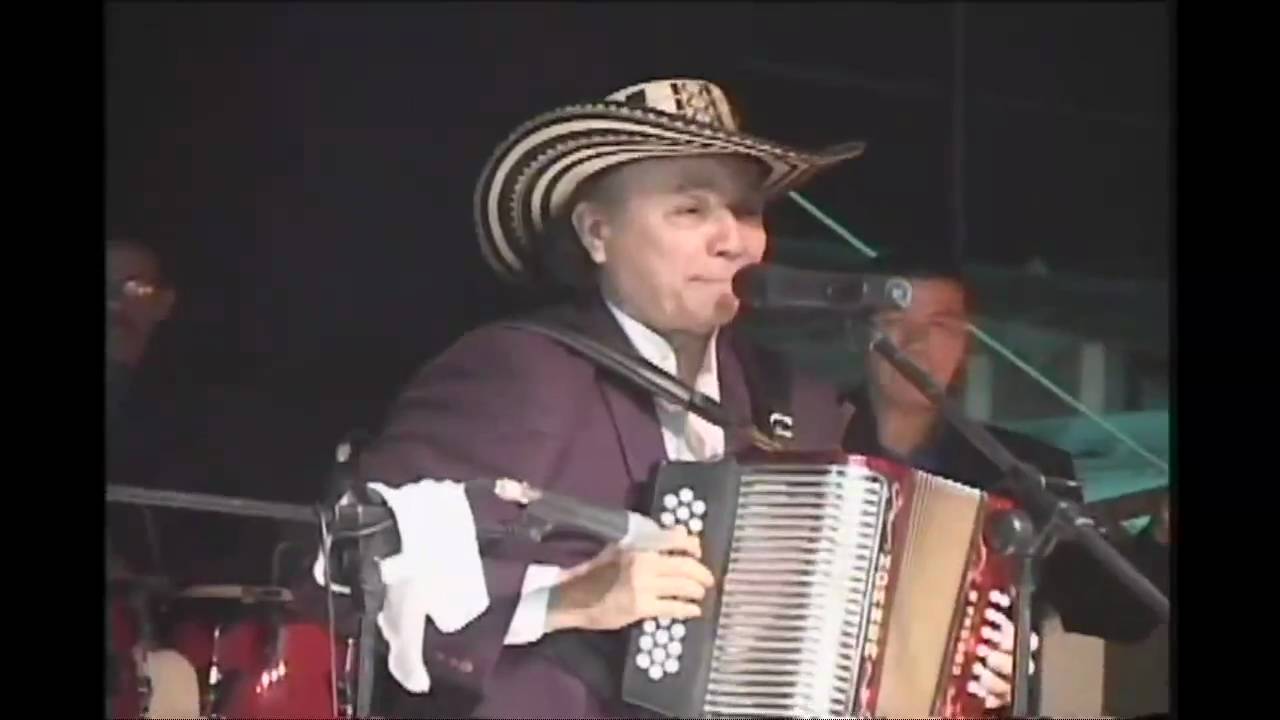 #6 CD
#6 CD Aniceto Molina
Cumbia Power
 #7 CD
#7 CD Damas Gratis
Cumbia Villera Classics
 #8 Vinyl
 Juaneco y su Combo
Chicha Libre
 #9 CD
#9 CD DJ Bam Bam
Cumbia Rebajada Mix Vol. 1
 #10 CD
 Carlos Vives
Cumbia Celebration
 #11 CD
 Los Yonics
Cumbia en El Salvador
 #12 CD
 Various Artists
Cumbia Across Latin America
 #13 CD
 Various Artists
Cumbia Hottest Places
 #14 CD
 Totó la Momposina
How to Dance Cumbia
 #15 CD
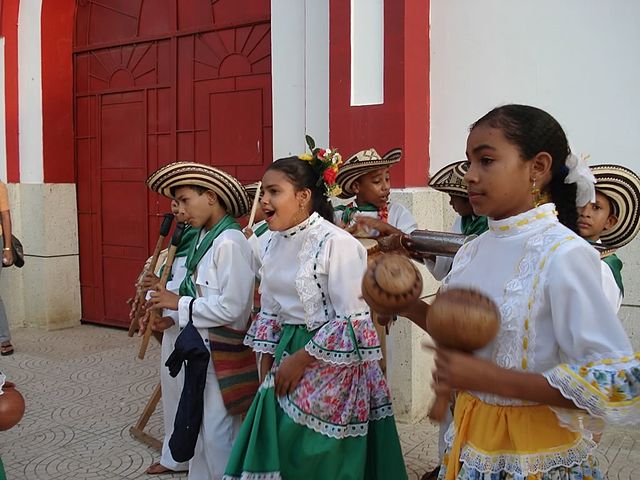
 Los Gaiteros de San Jacinto
Cumbia Instruments
 #16 Vinyl
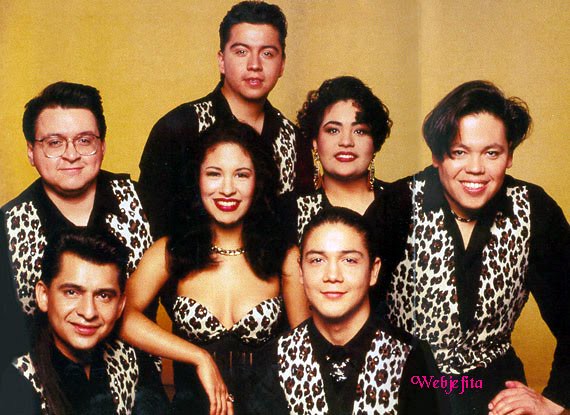
 Selena y Los Dinos
Selena y Los Dinos
Explore Cumbia by Genre
16 distinct styles, one unstoppable rhythm. Pick a genre to discover its story and essential albums.
Cumbias Inmortales / Clásicas
The original cumbia — born on Colombia's Caribbean coast from the meeting of African drums, Indigenous gaita flutes, and Spanish melodies. These are the songs that defined the genre and still fill dance floors from Barranquilla to Buenos Aires. Artists like Los Gaiteros de San Jacinto, Lucho Bermúdez, and Aniceto Molina built the foundation every other style stands on.
Cumbia Sonidera
Born in the working-class neighborhoods of Mexico City, cumbia sonidera is the sound of the streets — romantic, danceable, and deeply emotional. The Mejía Avante family (Los Ángeles Azules) from Iztapalapa turned it into a global phenomenon. Sonideros are the DJs who play it at outdoor parties called tocadas, where thousands dance in the streets. The style blends Colombian cumbia with Mexican romanticism and urban identity.
Tropical / Salsa Mixes
Where cumbia meets salsa, porro, and Caribbean tropical rhythms. This crossover style dominated Latin radio from the 1960s through the 1980s, with artists like Lucho Bermúdez and La Sonora Dinamita blending cumbia's African roots with big-band brass and salsa energy. It's the sound of Carnaval de Barranquilla — joyful, brassy, and impossible to resist.

Cumbia Villera
Raw, unfiltered, and unapologetically honest — cumbia villera emerged from the villas miserias (shantytowns) of Buenos Aires in the late 1990s. Pablo Lescano of Damas Gratis is widely credited as its creator. The genre gave voice to Argentina's working class during the country's economic crisis, with lyrics addressing poverty, crime, and everyday survival. Banned from mainstream radio, it was embraced by millions.
Cumbia Norteña
The northern Mexican take on cumbia — driven by accordion, bajo sexto, and tuba, blending cumbia rhythms with norteño and banda traditions. Celso Piña from Monterrey is the undisputed king of this style, earning the nickname "El Rebelde del Acordeón." His collaborations with hip-hop artists like Control Machete and Café Tacvba brought cumbia norteña to a new generation and proved the genre's limitless range.
Cumbia Electrónica
Colombian artists like Bomba Estéreo and Systema Solar took cumbia's African-Indigenous roots and fused them with electronic production, punk energy, and global club culture. The result is one of the most exciting sounds in contemporary Latin music. Bomba Estéreo's Liliana Saumet brings raw vocal power to tracks that move between Bogotá's underground and international festival stages. Systema Solar adds hip-hop, political commentary, and Afro-Colombian traditions to the mix.
Cumbia Rebajada
Cumbia rebajada — literally "lowered cumbia" — is one of the most original mutations of the genre. Born in Monterrey's working-class colonias, DJs began slowing classic cumbia tracks down to a hypnotic, bass-heavy crawl. The result influenced chopped-and-screwed hip-hop and became a global underground phenomenon. It's meditative, hypnotic, and unlike anything else in Latin music. Artists like DJ Bam Bam and DJ Goofy pioneered the style.
New Generation Cumbia
A new wave of artists is redefining cumbia for the 21st century — blending it with reggaeton, trap, indie, and global pop while keeping the rhythm at the core. From Bomba Estéreo's Grammy-nominated work to Los Ángeles Azules collaborating with Natalia Lafourcade and Ximena Sariñana, cumbia is reaching audiences who never knew they needed it. This is the genre's most exciting chapter yet.
Cumbia Chicha / Peruana
Peruvian chicha is what happens when Colombian cumbia travels to the Amazon jungle and meets electric guitar, surf rock, and Indigenous Andean rhythms. Los Mirlos from Moyobamba and Juaneco y su Combo from Pucallpa created something entirely new in the 1970s — hypnotic, psychedelic, and deeply rooted in Amazonian culture. Chacalón y la Nueva Crema brought chicha to Lima's urban masses. Los Mirlos played Coachella 2024, proving chicha's global reach.
Cumbia Santafesina
Cumbia santafesina developed in the province of Santa Fe, Argentina, and became the dominant cumbia style in the country before cumbia villera arrived. Groups like Los Palmeras and Alcides built a sound that was cleaner and more polished than its Colombian origins — with synthesizers, brass, and a distinctly Argentine warmth. Los Palmeras have been performing since 1968 and remain one of Argentina's most beloved bands.
Cumbia Costeña / Vallenata
The original coastal Colombian sound — cumbia costeña comes directly from the Caribbean departments of Bolívar, Córdoba, and Sucre. Vallenato, its close cousin, adds the accordion and tells stories of love, loss, and the Colombian landscape. Carlos Vives brought vallenato-cumbia to the world stage, winning two Grammy Awards and multiple Latin Grammys. Andrés Landero and Lucho Bermúdez are the founding fathers of this tradition.
Cumbia Amazónica
Deep in the Amazon basin, cumbia took on the sounds of the jungle — electric guitars with heavy reverb, Amazonian percussion, and rhythms that feel ancient and futuristic at once. Los Mirlos from Moyobamba, Peru are the defining act of this style. Their tremolo guitar lines evoke the rivers and rainforest of the Amazon. The style is closely related to chicha but emphasizes the Amazonian geography and Indigenous cultural elements more directly.
Cumbia Tex-Mex / Tejana
Tejano cumbia is the sound of the Texas-Mexico border — a fusion of cumbia rhythms with polka, country, and R&B that became the soundtrack of Mexican-American communities across the Southwest. Selena Quintanilla-Pérez brought it to the world stage. Her 1994 album Amor Prohibido is the best-selling Tejano album of all time, certified double Diamond by the RIAA. The Kumbia Kings and Selena y Los Dinos carried the tradition forward.

Cumbia Psicodélica
Psychedelic cumbia emerged when Latin American musicians discovered electric guitars and effects pedals in the 1960s and 70s. In Peru, Los Mirlos and Juaneco y su Combo created reverb-drenched, hypnotic sounds that felt like the Amazon itself. In Colombia, artists like Fruko y sus Tesos and later Bomba Estéreo pushed the psychedelic angle further. Today, the style influences artists worldwide, from Brooklyn to Berlin.
Cumbia Rap / Hip-Hop
The collision of cumbia and hip-hop was inevitable — both genres share roots in African rhythm, community storytelling, and working-class identity. The Kumbia Kings (led by A.B. Quintanilla III, Selena's brother) pioneered the fusion in the late 1990s. Celso Piña's collaborations with Control Machete and Café Tacvba showed how naturally the styles fit together. Systema Solar from Colombia added political hip-hop to Afro-Colombian cumbia traditions.
Cumbia Grupera / Ranchera
Cumbia grupera blends cumbia rhythms with ranchera, norteño, and grupero styles — the sound of Mexican family gatherings, quinceañeras, and weekend dances. Los Yonics from Guadalajara created the most romantic strain of this style, with slow, heartfelt cumbia ballads that became staples at celebrations across Latin America. Banda MS and other modern grupero acts continue the tradition, reaching millions of fans across Mexico, the US, and beyond.
Browse by Category
Learn More About Cumbia
History, artists, instruments, and regional styles — everything you need to understand the music behind these albums.